Featured
Table of Contents
Referral the particular item they saw, their purchase history, or their area to make the communication feel genuinely one-to-one and extremely pertinent. Produce a feedback loop in between your channels. If a user receives an e-mail however does not click, include them to a social media retargeting audience with a complementary advertisement creative to reinforce the message on a different platform.
This powerful mix catches users at different phases of their buying journey. Paid search ads on platforms like Google target users with high, active intent who are looking for specific services, while display retargeting re-engages users who have previously interacted with your site, keeping your brand top-of-mind across the web.
When a user clicks a search advertisement for a specific item however doesn't buy, they are then revealed engaging screen advertisements for that specific product on other sites and apps. This integrated method guarantees constant messaging and deals, enhancing the impact of both channels. The immediate, intent-driven nature of search is matched by the long-lasting brand recall and convincing reminders of display, significantly decreasing client acquisition expenses and enhancing conversion rates.
After browsing, they leave without purchasing. Later on, they see a display screen ad on a news website including the same jacket, now with a 10% discount deal. A service company like a plumbing professional runs search advertisements for "plumbing near me" and simultaneously retargets all site visitors with display ads reinforcing their dependability and 24/7 service.
Create unique display audiences based on user behavior. Target cart abandoners with a discount rate code, product page viewers with dynamic ads of that product, and high-value consumers with new arrivals. Ensure your search ad traffic arrive on a high-converting, relevant page. Constantly evaluate the heading, value proposition, and call-to-action to optimize lead capture and sales from this high-intent traffic.
Developing Future-Proof Growth Frameworks
A user sees a search ad initially, then a display screen reminder advertisement with the very same deal within 7 days, followed by an e-mail or SMS message if they are on your list. Usage consistent creative possessions and uses throughout both search and display to construct a cohesive brand experience.
Enhanced Truth (AR) is a transformative multi-channel marketing technique that overlays digital info and interactive experiences onto the real life. This innovation allows customers to envision products in their own space, essentially try out items, and engage with brands in an immersive, remarkable method. By integrating AR into the customer journey, brand names can bridge the gap in between digital discovery and physical purchase, substantially increasing engagement, constructing purchaser self-confidence, and reducing return rates.
A user sees a Facebook advertisement for a new sofa. Instead of just taking a look at pictures, they can click a button that opens their phone's cam, allowing them to put a 3D model of the sofa straight in their living space to see how it looks and fits.
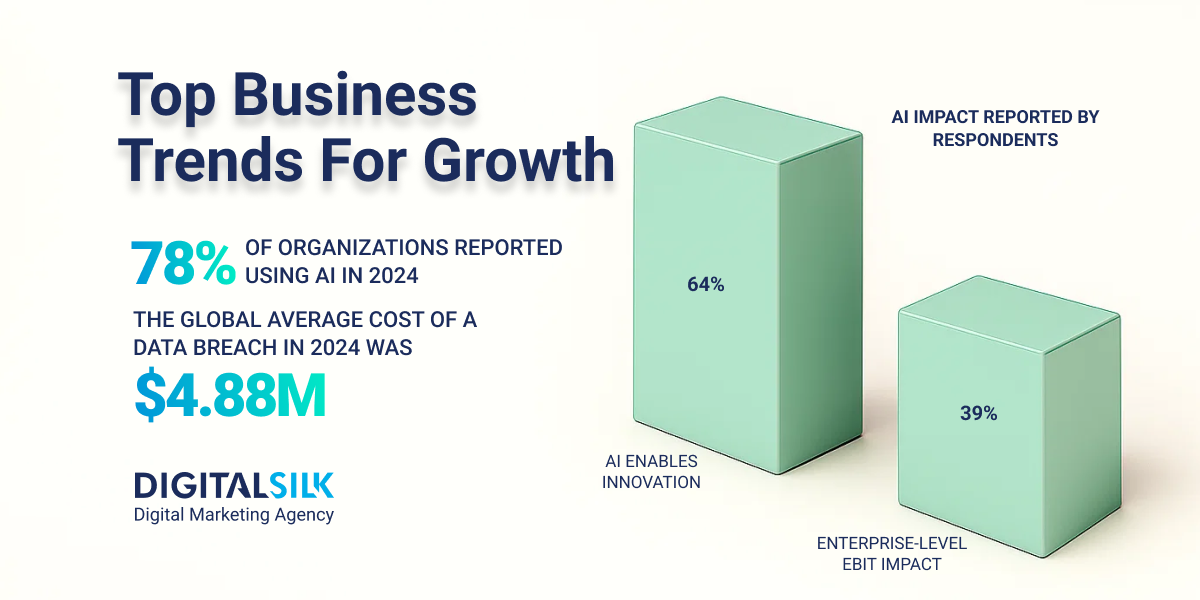
Leading brands have successfully woven AR into their marketing fabric. Makes it possible for clients to try on thousands of makeup tones, leading to greater engagement and more notified buying decisions.
Why Smart Automation Redefines Digital Strategy
Use paid social and search advertisements to drive traffic to your AR experience. Develop advertisement copy and visuals that highlight the distinct, interactive nature of the feature to stimulate user interest.
Motivate trial by offering a discount rate, like "Try it on essentially and get 10% off," to directly link the AR engagement to a conversion. Track metrics beyond simple views. Concentrate on completion rates for try-ons, average time invested in the experience, and the conversion lift for users who engaged with AR versus those who did not.
A Client Information Platform (CDP) straight fixes this by combining client details from every touchpoint-website browsing, app use, social media interactions, CRM entries, and even offline purchases-into a single, unified customer view. This produces an effective "single source of reality" for all your marketing efforts. This unified audience strategy permits for hyper-personalized targeting, exact segmentation, and even predictive analytics on a scale that is difficult with siloed information.
Cohesive Growth Tactics for Growth
This information is then utilized to immediately exclude them from seeing advertisements for that same shoe online and rather show them ads for complementary products like running socks or apparel. Sephora is a master of this, using its CDP to merge online browsing, in-store purchase history, and Charm Insider loyalty program data.

Shopify merchants utilize Shopify Audiences, a CDP-lite tool, to produce high-intent lookalike audiences and sector clients based on their purchase history for retargeting campaigns. At Silver Spoon, our customers use CDP combinations with platforms like Sector and mParticle to manage unified campaigns, regularly attaining a 4X ROAS by ensuring the best message reaches the best person on the right channel.
Set up guidelines to instantly move consumers in between sections. A high-value customer might be automatically left out from high-frequency advertisement campaigns and moved into a VIP SMS deal list.
Why AI Disrupts Modern Success
High-quality information is the structure of an effective unified audience method. One of the most forward-thinking multi-channel marketing strategies includes leveraging predictive analytics and AI to immediately score leads. This approach moves beyond simple demographic or firmographic qualification. Instead, it utilizes artificial intelligence models trained on historical customer information to forecast future results, such as purchase possibility, churn risk, and possible life time value.
For example, a B2B software application company's AI might discover that leads who download a particular whitepaper, visit the rates page 3 times, and work at a company with over 50 staff members are 80% more likely to convert. The system then instantly flags these leads as "hot" and alerts a sales agent to follow up right away, while leads with a lower rating are placed into an automated email supporting campaign.
Salesforce's Einstein platform exemplifies this by utilizing predictive scoring to reveal sales groups which chances have the highest probability of closing. Similarly, HubSpot's lead scoring tools enable companies to immediately rank leads based upon habits like e-mail opens, site sees, and material downloads, pushing the most popular potential customers to the top of the queue.

Latest Posts
The Role on Generative Optimization for Brands